
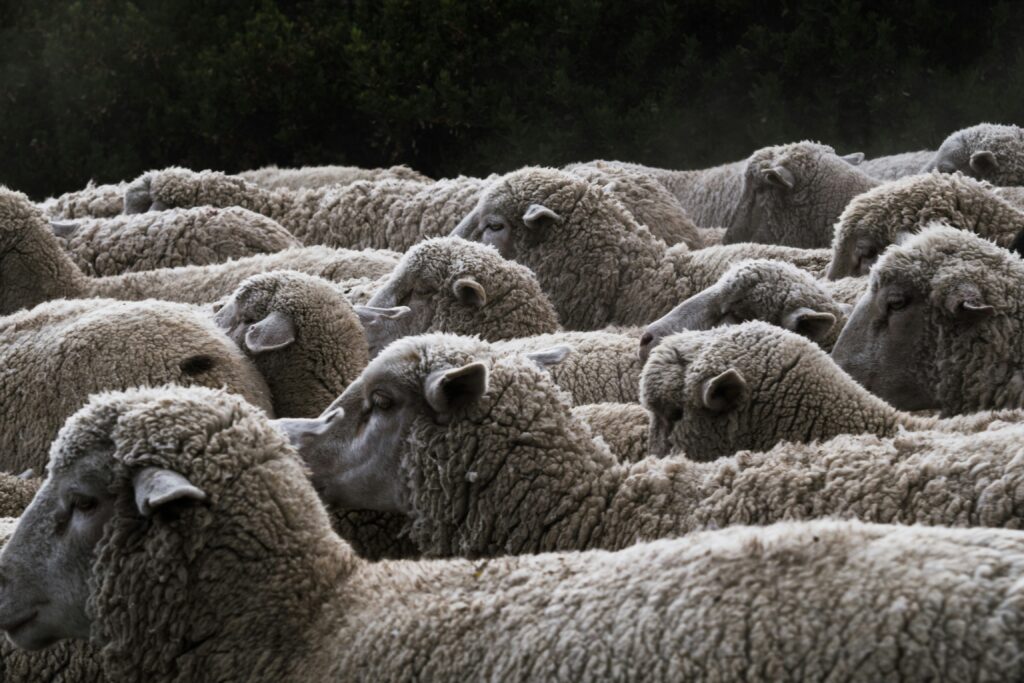
Wool has been one of the most valuable natural fibers in human history, prized for its warmth, durability, breathability, andWool has been used for thousands of years as one of the most reliable and versatile natural fibers in the world. Known for its warmth, durability, breathability, and sustainability, wool is used in everything from clothing and blankets to carpets and upholstery. But before wool becomes a finished product, it goes through a detailed process that transforms raw fleece into clean, strong, and beautiful fabric. Understanding how wool is processed helps us appreciate the skill, care, and natural resources involved in creating this remarkable material.
1. Raising and Caring for Sheep
The wool processing journey begins with the sheep. Healthy sheep produce high-quality wool, so proper animal care is essential. Farmers focus on good nutrition, clean environments, and regular health checks. Different breeds produce different types of wool. For example, Merino sheep are famous for their fine, soft wool used in clothing, while other breeds like Lincoln or Romney produce coarser fibers better suited for carpets or heavy fabrics.
The quality of the wool depends greatly on the sheep’s living conditions. Stress, illness, or poor nutrition can weaken fibers and reduce the value of the fleece. Ethical and sustainable farming practices are now a major part of modern wool production.
2. Shearing the Fleece
Shearing is the process of removing the wool from the sheep. It usually happens once a year, often in spring before warmer weather. Professional shearers use electric clippers to remove the fleece in one large piece. This method is quick, safe, and causes no harm to the sheep. In fact, shearing is necessary for the animal’s comfort and health, as heavy fleece can lead to overheating or skin problems.
Each sheep produces about 5 to 10 pounds of wool annually, depending on breed and care.
3. Sorting and Grading
After shearing, the fleece is sorted and graded. Not all wool from a single sheep is the same quality. The best fibers usually come from the shoulders and sides, while wool from the belly and legs is often shorter and dirtier.
Wool is graded based on:
- Fineness
- Length
- Strength
- Cleanliness
- Color
This step ensures each type of wool is used for the most suitable purpose, whether that is fine clothing, blankets, or industrial materials.
4. Scouring (Washing the Wool)
Raw wool contains dirt, grease (lanolin), sweat salts, and bits of plants. Scouring removes these impurities. The wool is washed in warm water with mild detergents through a series of baths. This process cleans the fibers without damaging them.
During scouring, lanolin is separated from the wool. Lanolin is a valuable byproduct used in skincare products, cosmetics, and pharmaceuticals. After scouring, wool can lose up to half of its original weight, leaving behind clean, soft fibers ready for further processing.
5. Carding
Carding is the step where wool fibers are untangled, cleaned further, and aligned. The wool passes through machines covered with fine wire teeth that separate the fibers and arrange them in the same direction. This process forms soft, rope-like strands called slivers.
Carding transforms fluffy wool into organized fibers that can be spun into yarn. It is one of the most important stages in wool processing.
6. Combing (Optional for Fine Wool)
For higher-quality fabrics, wool may go through combing after carding. Combing removes shorter fibers and ensures all remaining fibers are aligned parallel. This creates smoother, stronger yarn.
Combed wool is known as worsted wool and is used for tailored clothing like suits and dress pants. Wool that is not combed is called woolen, which is softer and fuzzier, making it ideal for sweaters and blankets.
7. Spinning
Spinning twists wool fibers together to create yarn. This can be done using traditional spinning wheels or modern industrial machines. The amount of twist affects the strength and texture of the yarn. More twist creates stronger, smoother yarn, while less twist results in softer, fluffier yarn.
Yarn can be:
- Single-ply (one strand)
- Multi-ply (several strands twisted together)
Multi-ply yarns are more durable and commonly used in garments and textiles that must withstand regular use.
8. Dyeing
Wool absorbs dye exceptionally well because it is a protein fiber. Dyeing can take place at different stages:
- Before spinning (fiber dyeing)
- After spinning (yarn dyeing)
- After fabric is made
- After garments are finished
Both natural and synthetic dyes are used. Natural dyes come from plants, insects, and minerals, while synthetic dyes allow for brighter and more consistent colors. Dyeing gives wool its wide range of beautiful shades and patterns.
9. Weaving or Knitting
Once spun and dyed, wool yarn is turned into fabric by weaving or knitting.
Weaving uses looms to interlace yarns at right angles, creating flat and structured fabric. Woven wool is commonly used for suits, coats, and upholstery.
Knitting loops yarn together, creating stretchy and flexible fabric. Knitted wool is used for sweaters, scarves, socks, and hats.
Each method gives wool different qualities in terms of warmth, texture, and durability.
10. Fulling and Finishing
Fulling is a controlled shrinking process that uses moisture, heat, and movement to tighten the fibers. This makes the fabric thicker, stronger, and more insulating.
Finishing steps improve the look and feel of the wool:
- Brushing for softness
- Shearing for a smooth surface
- Steaming to set the fabric
- Final inspections for quality
These steps ensure the wool fabric meets industry standards and consumer expectations.
11. Cutting and Manufacturing
After finishing, wool fabric is cut into patterns and sewn into garments or products such as:
- Clothing
- Blankets
- Rugs
- Felt items
Skilled craftsmanship ensures minimal waste and high-quality construction.
12. Sustainability of Wool Processing
Wool is a highly sustainable fiber. Sheep grow a new fleece every year, making wool renewable. It is biodegradable, long-lasting, and naturally resistant to fire and odors. Wool garments also require less frequent washing, saving water and energy.
Modern wool production emphasizes:
- Ethical animal treatment
- Reduced water usage
- Recycling of processing water
- Environmentally friendly detergents
Certifications like the Responsible Wool Standard (RWS) promote transparency and sustainability in the industry.
Conclusion
The process of turning raw wool into fabric is a careful blend of nature, tradition, and modern technology. From raising healthy sheep and shearing their fleece to washing, carding, spinning, dyeing, and finishing, each step plays a vital role in creating high-quality wool products.
Wool processing not only showcases skilled craftsmanship but also highlights the importance of sustainability and ethical practices. Every wool garment carries a story that begins in the pasture and ends as a product of comfort, warmth, and timeless value.